
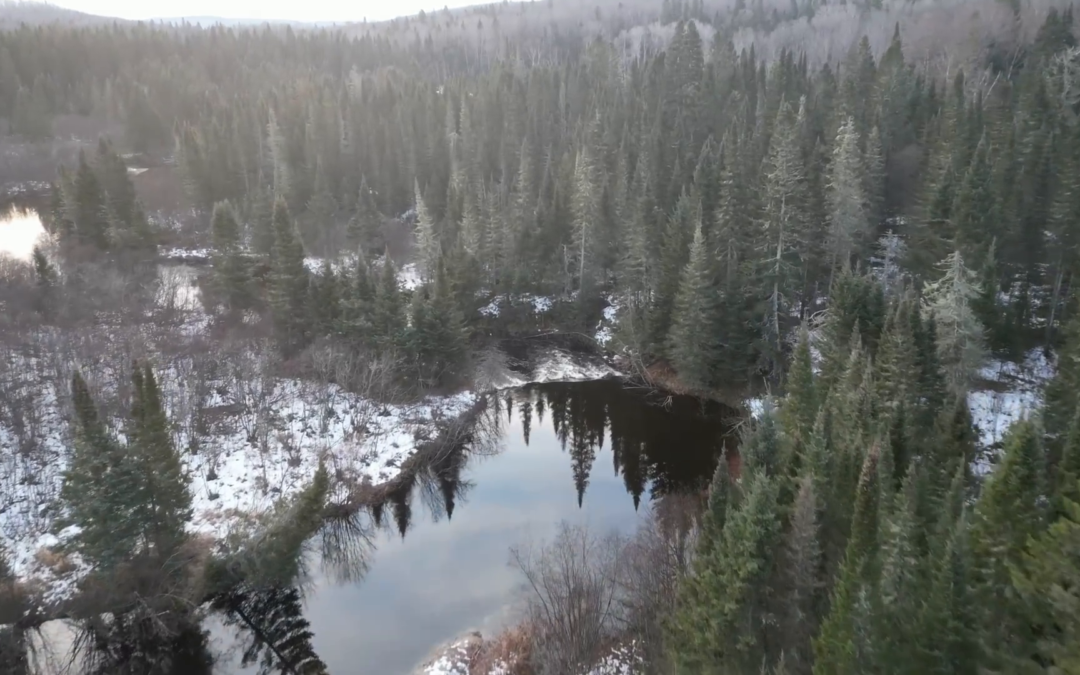
In this first episode of ‘Wild Homestead’, James Alofs takes a bold leap from city life in Toronto to the untamed beauty of the Canadian wilderness. Join him as he embarks on the daunting task of building an off-grid homestead, navigating the challenges of winter construction while testing his hypothesis that a simpler life can lead to greater fulfilment.
Table of Contents
- Leaving the City Behind
- The Unique Landscape of Central Ontario
- A New Beginning in the Wilderness
- The Challenges of Winter Construction
- Setting Up Camp
- Clearing the Build Site
- The Importance of a Good Foundation
- Choosing the Right Cabin Design
- Building the Cabin Foundation
- Setting Up the Hot Tent
- Finalizing the Foundation
- Reflections and Future Plans
- FAQ
Leaving the City Behind for a Wild Homestead
James Alofs made a significant decision to leave the bustling city of Toronto for a simpler life in the wilderness. This choice, while daunting, reflects a deep desire for change and adventure.
A Bold Move to go Off-Grid
Quitting a stable job to pursue a homesteading dream is not easy. James is ready to embrace the challenges of off-grid living, despite the risks involved.
- Leaving behind the comforts of city life
- Facing the uncertainties of winter construction
- Testing his hypothesis on homesteading satisfaction

The Unique Landscape of Central Ontario
Central Ontario boasts a stunning and diverse landscape that is both beautiful and challenging. The natural features here create a perfect backdrop for James’s homesteading journey.
Geographical Features
The region is known for its dramatic elevation changes, including high ridges, deep valleys, and numerous rivers. This unique geography offers both beauty and obstacles for construction.
- Thousand-foot high ridges
- Deep valleys and waterfalls
- Rich wildlife, including black bears and moose

Climate Considerations
The climate in this area serves as both a blessing and a challenge. While it supports diverse hardwood species, it also poses difficulties for those looking to build during the colder months.
- Cold winters deter many from settling
- Ideal conditions for hardwood trees like maple and oak

A New Beginning in the Wilderness
James Alofs’ journey marks a significant shift towards a more rustic lifestyle. Moving into the wild offers both excitement and uncertainty, as he begins to carve out a homestead in the heart of nature.
The Dream of Off-Grid Living becomes Reality
Building a log cabin from scratch is a dream for many. James is not just constructing a home; he is creating a sanctuary in the wilderness.
- Utilizing local timber for construction
- Embracing the challenges of self-sufficiency
- Connecting deeply with nature

The Challenges of Winter Construction
Starting this project in late November presents unique challenges. The harsh winter conditions can complicate construction and slow progress.
Weather Obstacles
Cold temperatures and snow can hinder outdoor work. James must adapt to these conditions to keep his project on track.
- Frozen ground makes digging difficult
- Snow can obstruct access to the building site
- Safety concerns with icy conditions

Planning for Success
Despite these challenges, careful planning can help mitigate risks. James is determined to push through the difficulties of winter.
- Prioritizing essential tasks in good weather
- Preparing for rapid changes in weather
- Staying flexible with his timeline

Setting Up Camp
Establishing a comfortable camp is essential for survival in the wilderness. James sets up his hot-tent camp to provide warmth and shelter from the elements.
Creating a Cozy Space
Using a titanium ultra-light stove, James successfully heats his tent, making it a cozy retreat. Despite the cold outside, the interior becomes a warm haven.

Managing Condensation
With condensation building up overnight, he plans to install a tent liner to improve comfort. This setup is crucial for maintaining a livable space while working on the homestead.
Clearing the Build Site
Clearing the build site is the next critical step. James needs to create a clear path for materials and ensure he can navigate the area safely.
Marking the Path
James uses blue flagging tape to mark a path that stretches about 300 meters. This helps him keep track of his route back to the car and minimizes the risk of getting lost.

Chainsawing Obstacles
To access his building materials easily, he plans to use a chainsaw to clear the dense brush. This step is vital for both efficiency and safety as he begins his construction.

The Importance of a Good Foundation
A sturdy foundation is crucial for any cabin project. It ensures that the structure can withstand the elements and provides a stable base for long-term living.
Why a Strong Foundation Matters
A solid foundation prevents settling and shifting, which can lead to structural issues over time. It also helps to keep moisture away from the cabin, protecting it from rot and decay.
- Supports the weight of the cabin
- Prevents water damage
- Enhances stability during storms

Choosing the Right Cabin Design
Selecting an appropriate cabin design is essential for maximizing comfort and functionality. The design should reflect your needs and the environment.
Factors to Consider
When choosing a cabin design, consider size, layout, and materials. Your design should accommodate your lifestyle and the local climate.
- Size: How much space do you need?
- Layout: Open concept or separate rooms?
- Materials: Local timber or prefabricated options?

Building the Cabin Foundation
The foundation is a crucial aspect of any cabin project. It ensures stability and longevity, protecting the structure from the harsh elements of nature.
Importance of a Strong Base
A solid foundation prevents settling and shifting, which can lead to serious structural issues over time. It also keeps moisture away from the cabin, safeguarding it from rot and decay.
- Supports the weight of the cabin
- Prevents water damage
- Enhances stability during storms

Preparing the Site
Before laying the foundation, the site must be cleared and leveled. James discovers that the ground is not frozen, allowing him to begin digging.
- Clear debris and level the area
- Dig down to the mineral soil
- Ensure proper drainage with sand and gravel

Setting the Foundation
James plans to use concrete pads for his foundation. These pads will provide a sturdy base for the cabin, ensuring it remains stable over time.

Setting Up the Hot Tent
Establishing a warm and comfortable living space is essential for survival in the wilderness. James sets up his hot tent to provide warmth and shelter from the elements.
Creating a Cozy Environment
Using a titanium ultra-light stove, James heats his tent effectively. This setup transforms the tent into a cozy retreat amidst the cold wilderness.

Managing Moisture
Condensation is a challenge in a hot tent. To combat this, James plans to install a tent liner, improving comfort and livability while he works on his homestead.
Essentials for Hot Tent Living
When setting up a hot tent, consider the following essentials:
- Stove for heating
- Insulation to retain warmth
- Proper ventilation to manage moisture

Finalizing the Foundation
Completing the foundation is a major milestone in James Alofs’ homesteading journey. This step is vital for ensuring the stability and longevity of the cabin he is building in the Canadian wilderness.
The Last Stone
After a lot of hard work, James sets the final stone in place. This moment marks the conclusion of a challenging yet rewarding phase of construction, where he lays a solid base for his future home.

Emotional Rollercoaster
As James reflects on his journey, he feels a mix of excitement and anxiety. Leaving his job and moving into the wilderness during winter was a bold decision, but seeing the completed foundation reassures him that he is on the right path.
- Overcoming doubts and fears
- Realizing the dream is becoming a reality
- Preparing for the next phase of construction

Next Steps
With the foundation complete, James looks forward to the next stages of building. He is eager to continue working on his cabin and is determined to keep a positive mindset despite the challenges that lie ahead.

Reflections and Future Plans
James takes a moment to reflect on his experiences thus far. The journey has been filled with lessons, challenges, and personal growth.
Learning from Challenges
The journey has not been without its difficulties. From winter weather to construction hurdles, James realizes that each challenge offers a valuable lesson.
- Adapting to harsh conditions
- Understanding the importance of preparation
- Building resilience and problem-solving skills
Looking Ahead
As he moves forward, James plans to continue documenting his progress. He aims to share insights and experiences with his audience, especially as he tackles the next phase of his project.
- Building the cabin walls
- Installing the roof
- Setting up utilities for off-grid living
Community and Support
James appreciates the support he receives from viewers and friends. The encouragement helps him stay motivated as he navigates the realities of building a wild homestead.
In conclusion, the journey of building an off-grid homestead is not just about the physical structure; it’s about personal transformation and connection with nature. As he looks to the future, James is excited to continue this adventure on his wild homestead episode 1 james alofs.
FAQ
Here are some frequently asked questions about James Alofs’ journey in ‘Wild Homestead Episode 1’. These questions cover various aspects of building a log cabin and living off-grid.
What inspired James to leave the city?
James was inspired by a desire for adventure and a simpler lifestyle. He wanted to connect more deeply with nature and test his skills in homesteading.
What challenges does he face during winter construction?
Winter construction poses several challenges, including frozen ground, snow accumulation, and safety concerns. These factors can slow down progress and complicate building efforts.
How does James heat his tent?
James uses a titanium ultra-light stove to heat his hot tent. This setup helps maintain a warm environment despite the cold outdoor temperatures.
What is the ‘butt and pass’ method?
The ‘butt and pass’ method is a log cabin construction technique that allows for quick assembly. It involves stacking raw logs with their ends butted together, minimizing the need for milling.